Remember
ForthcomingThe Long Weaving
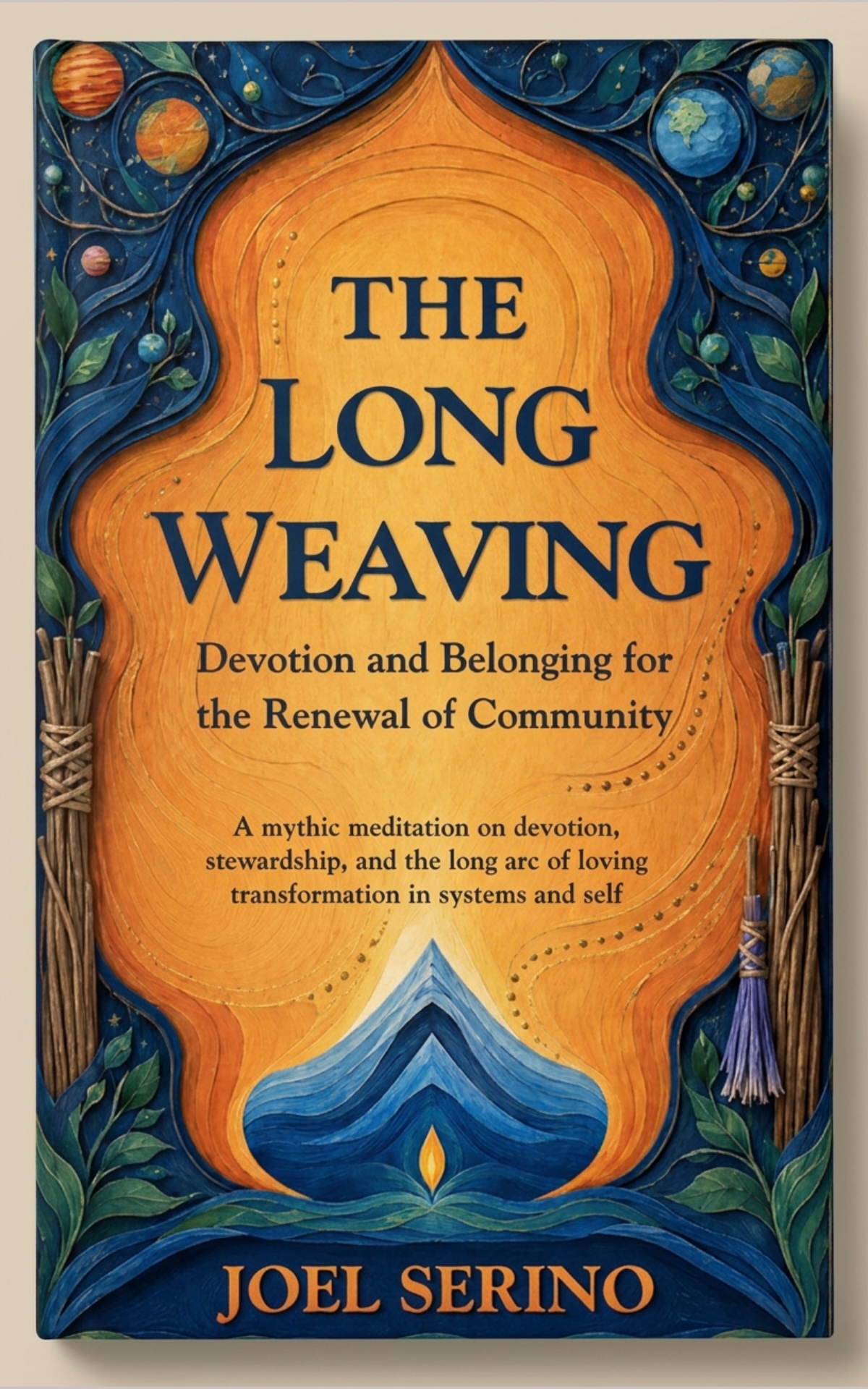
Before a protocol was a rule, it was the first thread — the glue that held a manuscript and named what was inside it. This is the long, patient story of how we belong to one another, and how we are learning to weave again.
An origin, told slowly
We were never separate. We only learned to forget.
There is a weave older than any of us. It runs through the rivers and the root systems, through the way a child learns to share, through the agreements our ancestors made to survive winter together. For most of human time, the weave was obvious. You could feel it in the work of your hands and the dependence of your breath.
Somewhere in the hurry of the last centuries, the weave went thin. We built magnificent tools and forgot what they were for. We optimized the thread and lost the cloth. The forgetting was not malicious. It was fast.
The Long Weaving is the work of remembering — not as nostalgia, but as practice. Not to go back, but to bring the old care forward into the new structures we are still inventing.
The five threads
A story told in five movements.
Not steps to finish. Threads to hold, and return to, as the weave grows under your hands.
01
The first thread
Protokollon : the first glue
The word protocol comes from the Greek protokollon: the first sheet glued to the front of a papyrus roll, naming what was held inside. A protocol was not a command. It was an act of care — making sure the precious thing survived, and that anyone who found it could know what they were holding.
A question to hold
What is the first thread you want glued to the front of what you are making together?
02
The fraying
How the weave went thin
Extraction is faster than tending. A forest can be cleared in a season that took centuries to grow. A trust can be broken in a sentence that took years to build. When speed becomes the highest value, the weave cannot keep up. It does not break all at once. It goes quiet, then it goes thin, then we forget it was ever there.
A question to hold
Where in your life or work has the weave gone thin without anyone meaning for it to?
03
The remembering
Noticing the weave is still here
The weave never left. It is in the meal shared with a stranger, the meeting that begins with a real check-in, the boundary offered without punishment, the apology that does not demand absolution. The remembering is not a return to some pure past. It is the recognition that the capacity to care is still in our hands, and can be chosen now.
A question to hold
Name one place where the weave is still strong, even quietly. What keeps it strong?
04
The mending
Repair as the continuation of the weave
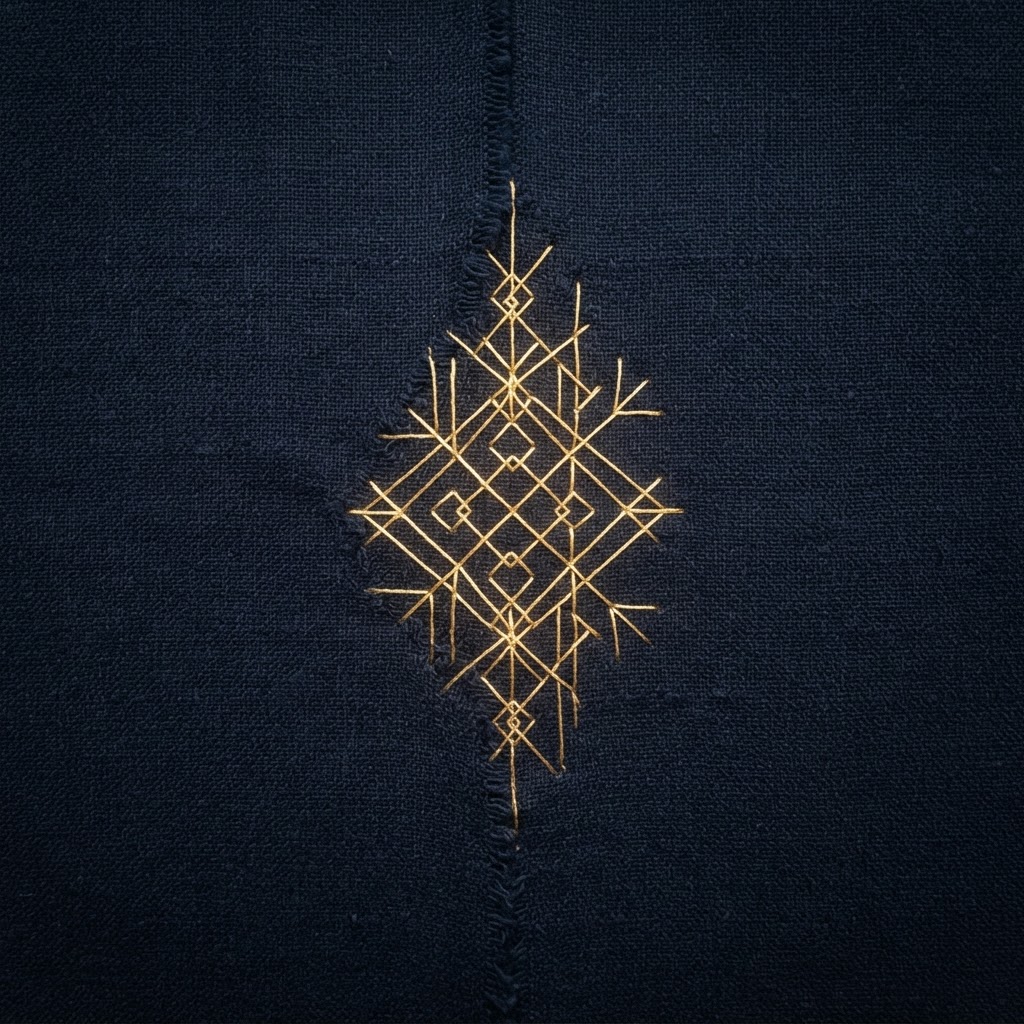
Every weave frays. The question was never whether harm would happen, but what we do at the fraying. Repair is not a detour from the work; it is the work. Truth told without exposure. Accountability held without humiliation. Boundaries that protect the possibility of return. Mended well, a seam can be the strongest part of the cloth.
A question to hold
What would you mend first, if mending did not require you to be perfect?
05
The continuation
What we hand forward
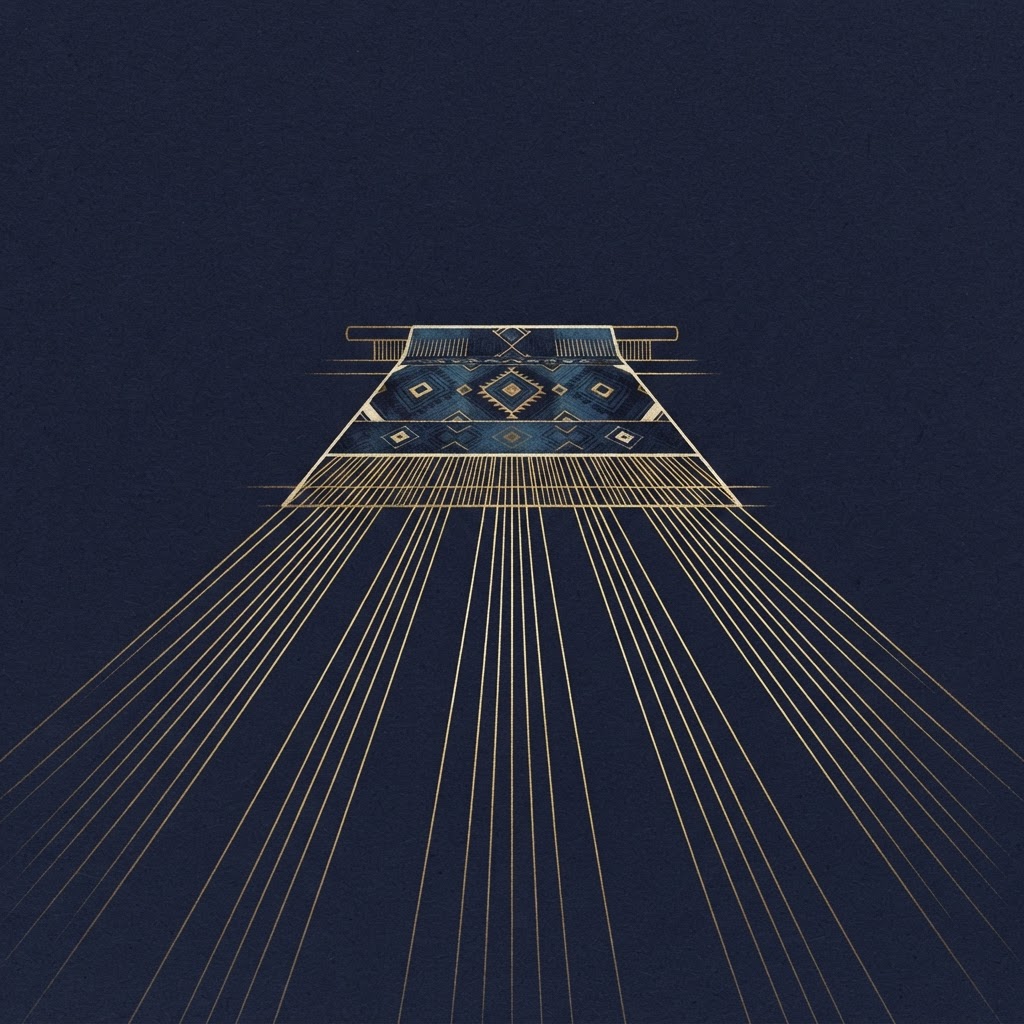
A weave is made to be longer than one weaver. The structures we build — the meetings, the agreements, the tools, the institutions — are the warp we leave taut for the next hands. When we weave care into structure, we hand forward not a rule but a capacity: the ability of those who come after to keep choosing dignity when we are no longer in the room.
A question to hold
What are you weaving into structure that you will not live to see finished — and is that a relief or a grief?
The warp and the weft
Structure is the warp. Practice is the weft.
In weaving, the warp is the vertical threads held tight on the loom — the given structure, the long bones. The weft is the thread drawn across, again and again — the living practice, the breath. A cloth needs both. Structure without practice is a stiff and silent frame. Practice without structure never reaches past a single weaver's hands.
Warp
Agreements
Weft
Consent kept alive in each conversation
Warp
Roles and stewardship
Weft
Power held as service, returned often
Warp
Tools and technologies
Weft
Using them in service of relationship
Warp
Institutions and economies
Weft
Designing them to make dignity likely
The weave continues in your hands
The story becomes a practice. The practice becomes a weave.